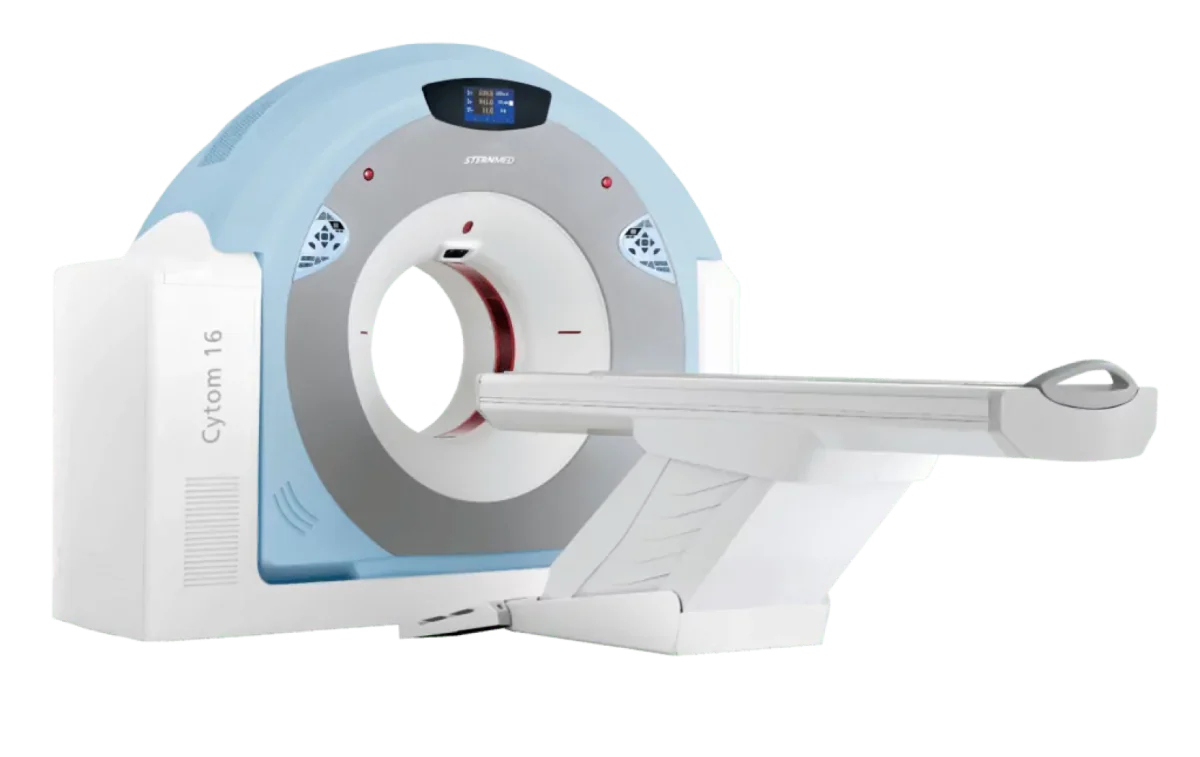
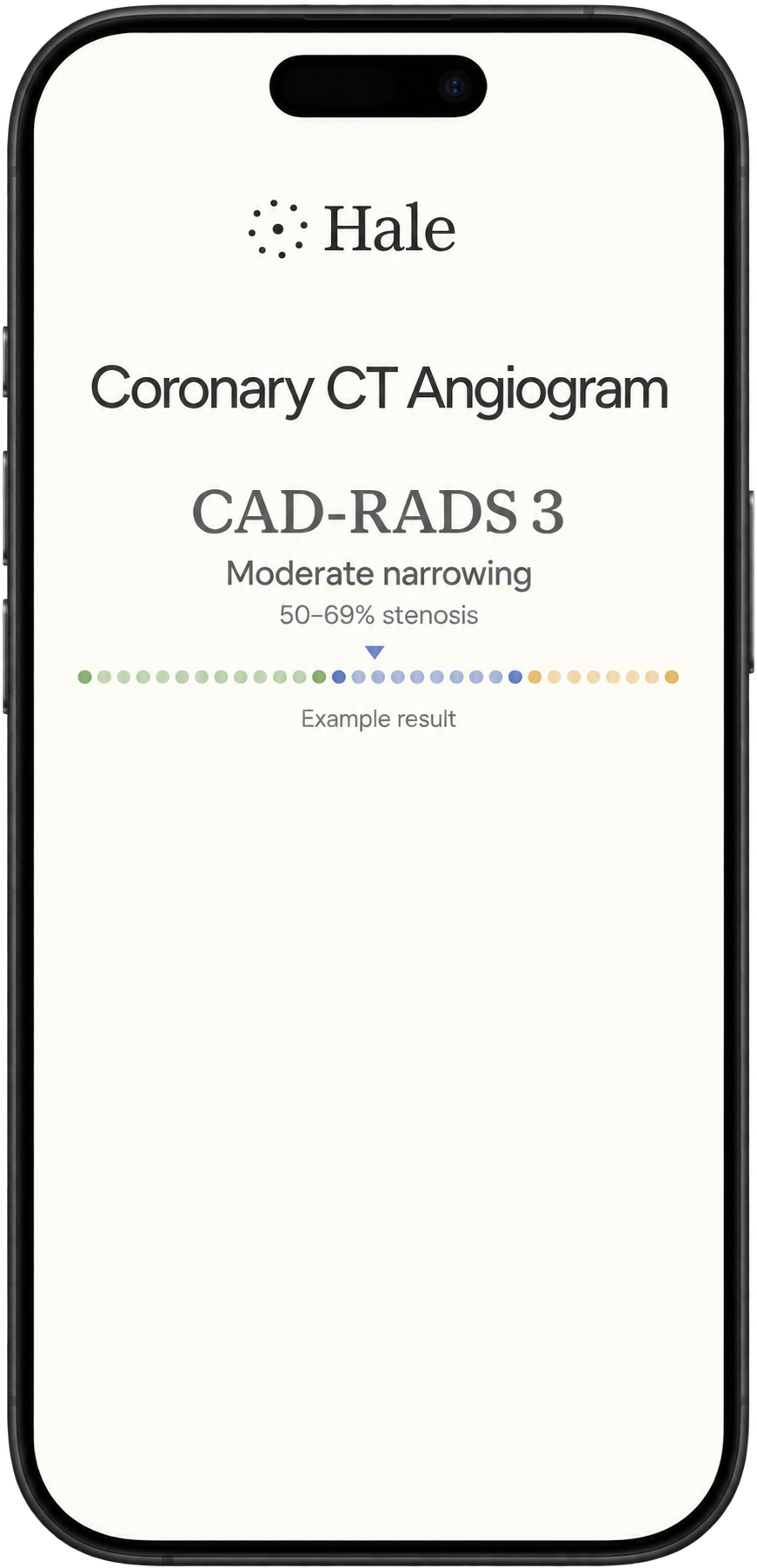
Guideline-Recommended Care
CCTA is a Class 1A guideline-recommended test for diagnosing and assessing coronary artery disease in intermediate-to-high-risk patients with stable chest pain and no known CAD.
Read the guidelineA Coronary CT Angiogram (CCTA) is a quick, non-invasive heart scan that creates detailed 3D images of your coronary arteries. It shows plaque buildup and narrowing that can increase your risk of chest pain or a heart attack.
Limited offer at $999 per scan
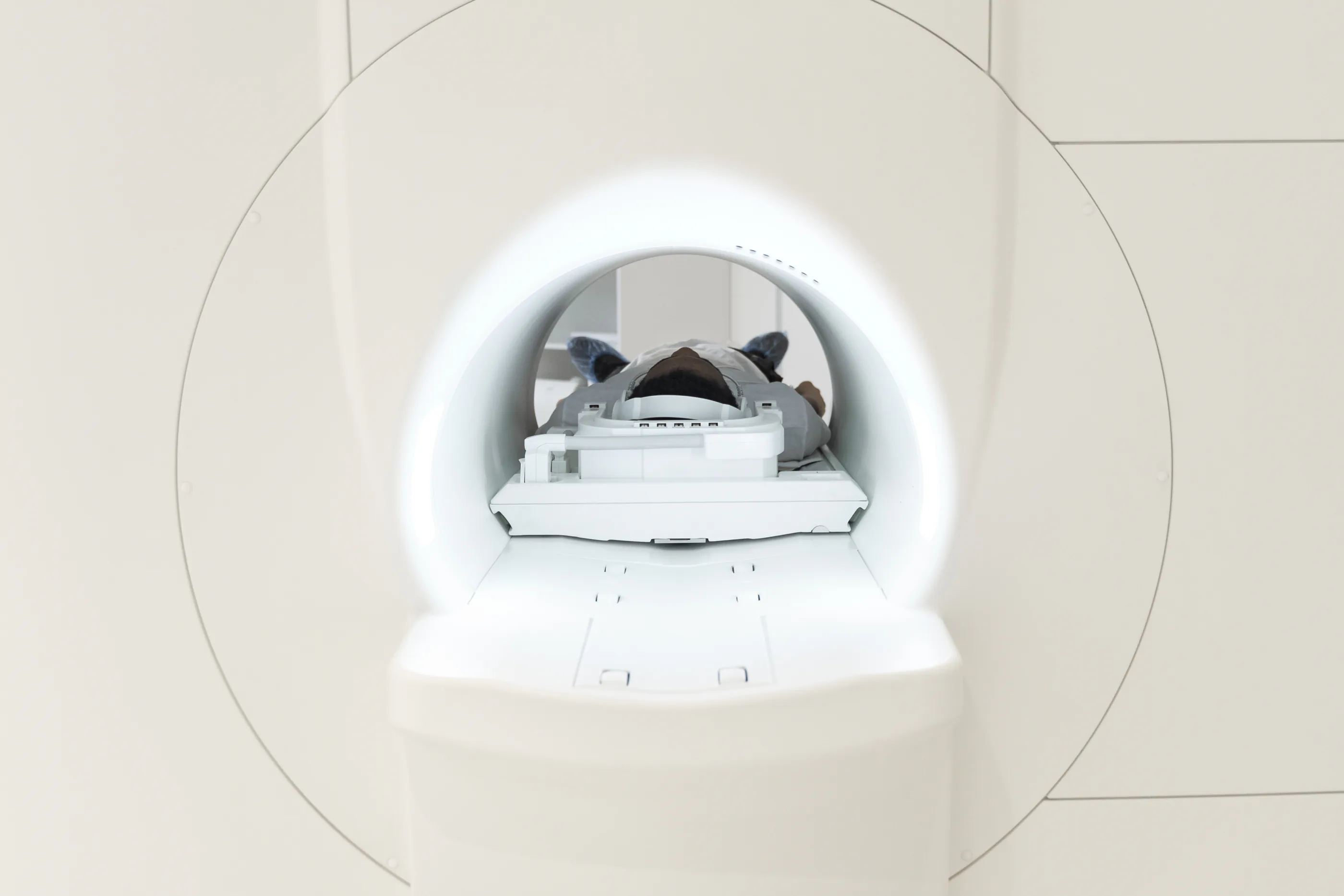
A contrast-enhanced CT scan of your coronary arteries.
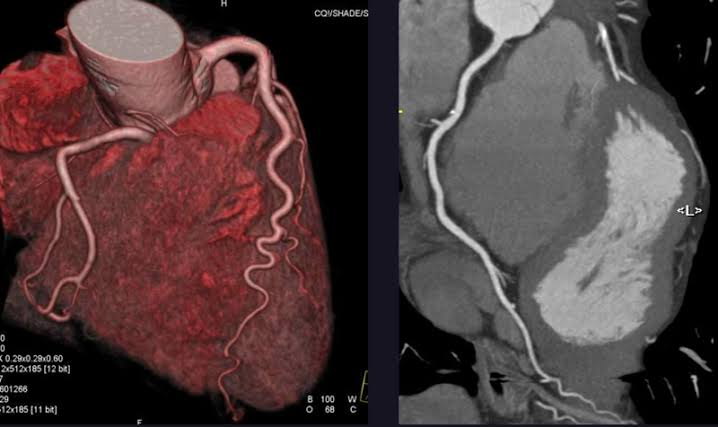
CCTA uses advanced CT technology to capture hundreds of detailed X-ray images, creating a precise 3D view of your heart and coronary arteries. This helps radiologists detect plaque buildup, narrowing or blockages, and early signs of heart disease.
CCTA is a Class 1A guideline-recommended test for diagnosing and assessing coronary artery disease in intermediate-to-high-risk patients with stable chest pain and no known CAD.
Read the guidelineCCTA provides highly accurate, detailed images of the coronary arteries, helping detect both plaque buildup and narrowing that may be missed by traditional risk assessment.
CCTA has been evaluated in large clinical trials, helping reduce unnecessary invasive testing while increasing the use of preventive medications.
Read the clinical trial